Flour, feed and food
Used throughout the food chain, especially for flour and baked goods, while some varieties are also used for feed.

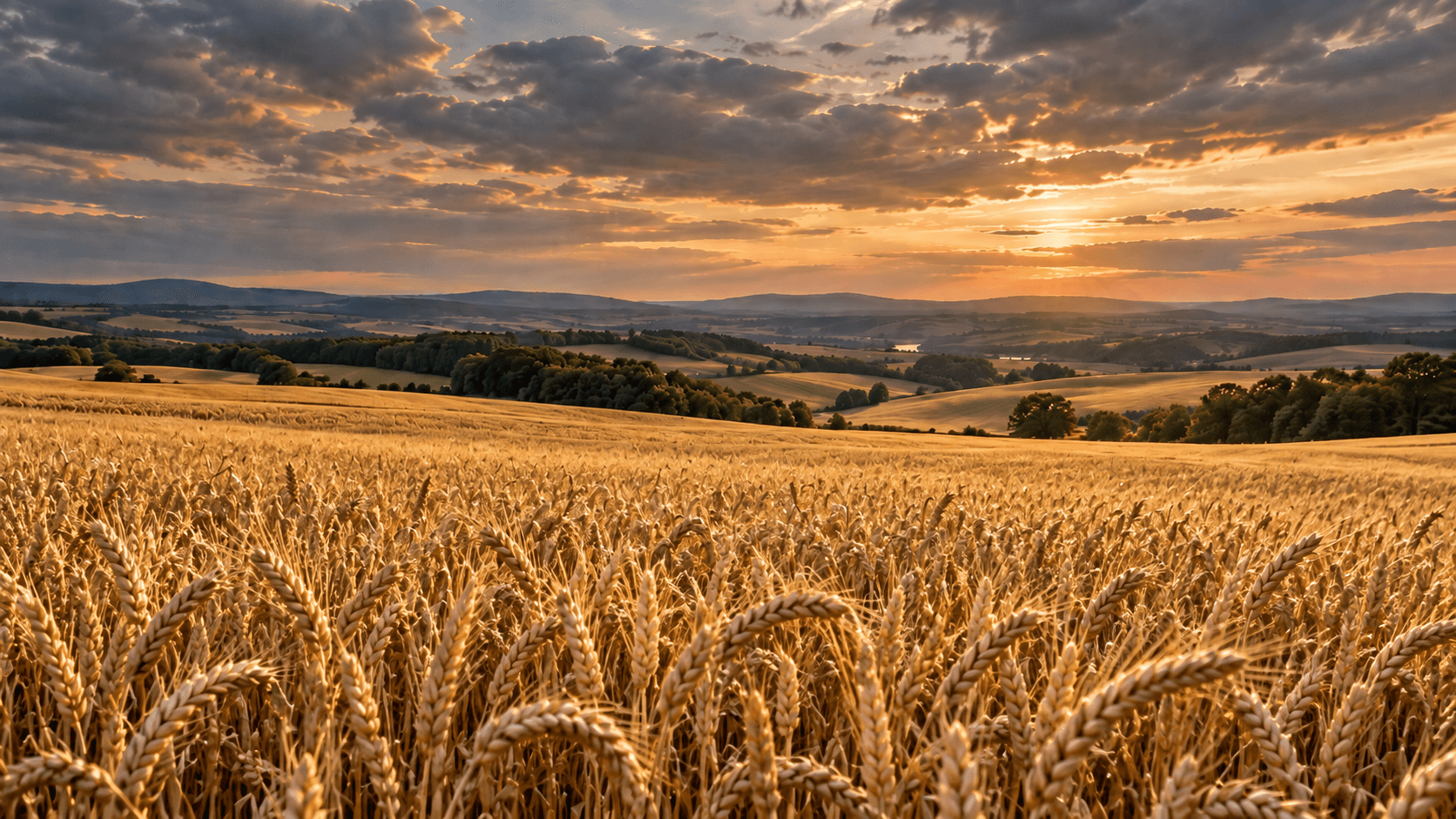
Wheat selected to quality standards for a variety of uses.
In wheat production, sowing time, variety selection, soil conditions and harvest are complementary parts of one plan.
Wheat selected to quality standards for a variety of uses.
Used throughout the food chain, especially for flour and baked goods, while some varieties are also used for feed.
Winter sowing is widespread in Türkiye, while spring sowing is possible depending on region and climate.
Harvest varies with climate and elevation and generally takes place during summer in Central Anatolia.
One of the world’s essential grains, with production characteristics shaped by variety, climate and purpose.
Wheat selected to quality standards for a variety of uses.
We approach production as a whole made up of complementary decisions rather than a single stage.
We regularly monitor field conditions and reassess crop needs at every stage.
Before production begins, we consider the field’s current state, the character of the season and observations from earlier periods. The first decision therefore comes from real field conditions.
A sound production plan begins by reading the field as it is.
Observations throughout production allow the plan to be reassessed. As weather, growth and field conditions change, practices are updated with the same discipline.
For us, planning is a living process rather than a one-time start.
We evaluate crop development beyond the final result, monitoring field-wide balance, production standards and differences that emerge throughout the process.
The aim is to maintain the same care throughout the season.
When a production period ends, the process continues. Field experience, observations and results help the next season begin with stronger decisions.
Production experience accumulates, and every season leaves a stronger starting point for the next.